
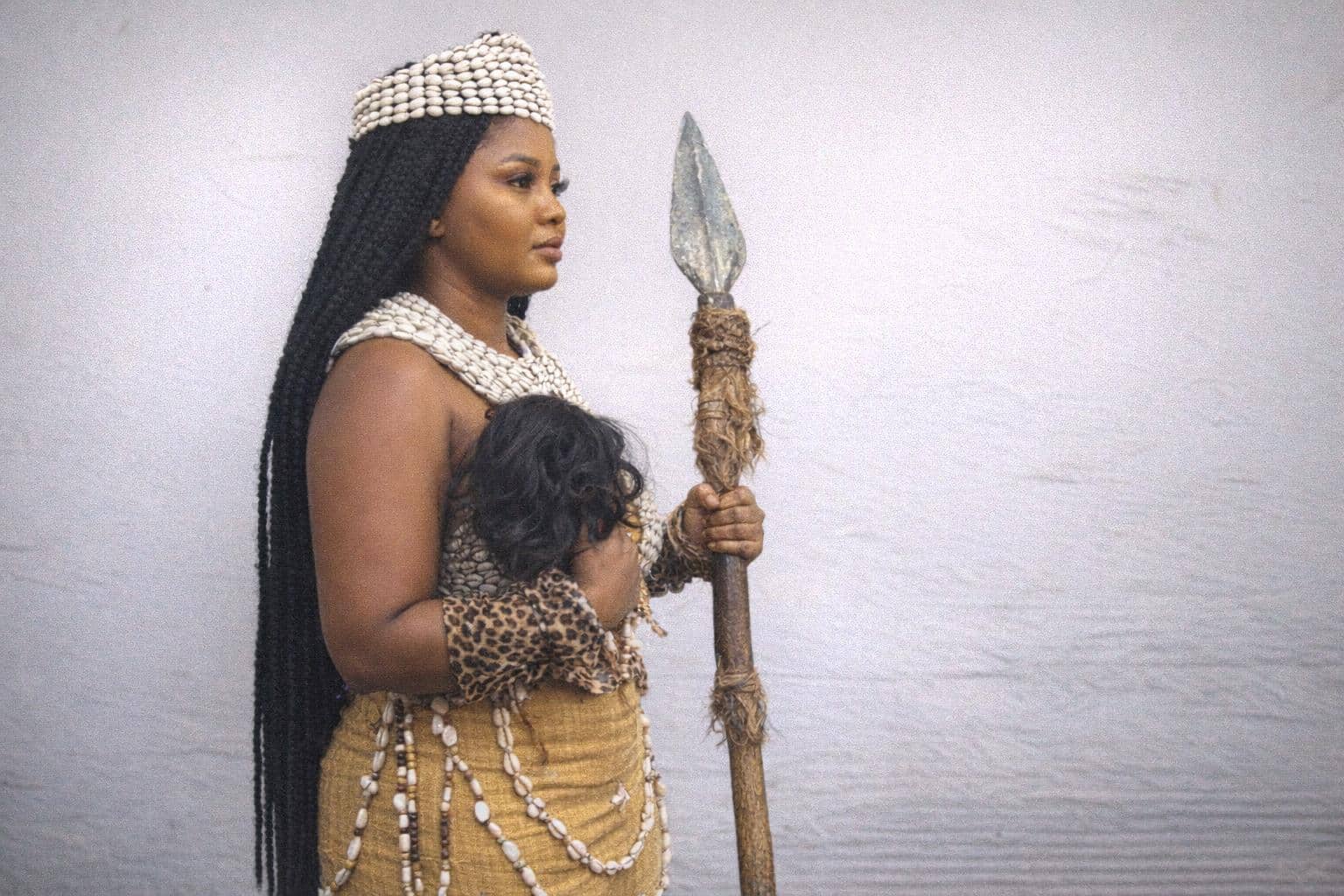
Congolese tradi-modern music: a year that changed everything
Backed by a sound anchored in Makoua tradition and a realistic, everyday style of writing, Reine Makoua crossed a decisive threshold in 2025. The singer, often described as a leading figure of Congolese tradi-modern music, saw a series of distinctions consolidate her growing visibility beyond local circles.
In the narrative surrounding her ascent, 2025 is portrayed less as a finish line than as the moment recognition became hard to ignore. Supporters point to the coherence of her artistic identity, blending heritage with contemporary arrangements, as the basis for a reception that has widened among audiences and music professionals.
That momentum also frames how Reine Makoua enters 2026. With her latest album, “Afro ngoli correction,” released in the last quarter of the previous year, her camp speaks openly of optimism, suggesting that the project is intended to extend the reach of the afro-ngoli style and deepen her connection with listeners.
Pana Music Awards 2025: two major trophies in Brazzaville
The most highlighted recognition came through the first edition of the Pana Music Awards 2025, an event presented as celebrating cultural diversity and excellence in Congolese and Pan-African music. The awards ceremony took place on January 10, 2026, at the Pierre Savorgnan de Brazza Memorial in Brazzaville.
At that ceremony, Niska Soleil Reine Makoua took home two top prizes: best female artist of the year and best singer of the year. For observers of the local industry, such a double win at a first edition carries weight, because it signals both popularity and professional endorsement in the same moment.
In practical terms, the awards strengthen her profile within a competitive music ecosystem where visibility is often fragmented across radio play, live shows, and social buzz. The trophies, as presented, function as a form of certification that her work is resonating and that her name is increasingly part of mainstream conversations.
Tops Arts Création at the Russian House: intercontinental recognition
Another milestone attributed to 2025 is the prize for best intercontinental musical revelation, awarded during the Tops Arts Création event at the Russian House in Brazzaville. The initiative is described as a cultural platform dedicated to promoting emerging talent, adding an institutional setting to the recognition she received.
The distinction is framed as symbolic, spotlighting an artist whose approach is said to travel beyond the local market and align with a spirit of openness and dialogue among cultures. For a performer built on a specific heritage base, that message matters: it positions tradition not as a limit, but as a passport.
In the Congolese context, where cultural diplomacy and artistic exchanges often rely on venues and partnerships, such an award can translate into new invitations and collaborations. Even without detailing future bookings, the recognition contributes to a storyline of expanding horizons while keeping a clear artistic signature.
Congo Bomoko and cultural heritage: a non-competitive honor
Beyond competitive prizes, Reine Makoua also received an honorary recognition linked to cultural heritage: the Congo Bomoko award, presented with the status of ambassador of cultural heritage. The title is described as non-competitive, making it a gesture of esteem rather than a ranking within an awards lineup.
Known by admirers as “Ngoungou la lionne,” she is portrayed through this honor as a figure contributing to the promotion of national cultural identity. The message is straightforward: her music is seen not only as entertainment, but also as a vehicle for transmitting values, language, and memory.
In a music scene where artists are increasingly expected to combine creativity with social role, the heritage framing can broaden her appeal. It also places responsibility on her public image, inviting audiences to look at her work through the lens of representation as much as performance.
Outlook for 2026: rising star, higher expectations
The text underlines that Reine Makoua has not yet entered the roster of winners at the biggest international music ceremonies. Still, the sequence of 2025 recognitions paints her as a rising star with a solid base in the Congolese landscape, where credibility is built step by step through releases, concerts, and peer acknowledgment.
“Afro ngoli correction,” arriving at the end of the year, is positioned as the key project for the next chapter. In the way her progress is described, the album is not just a product but a statement: a continuation of tradi-modern identity, with the ambition to be heard more widely without losing its roots.
What 2025 appears to have changed most is the level of expectation. The awards do not close the story; they open a new phase in which Reine Makoua is expected, watched, and invited to confirm her potential on larger stages—while carrying, for many listeners, a piece of Congo’s cultural pride.
