
A landmark anniversary at the memorial
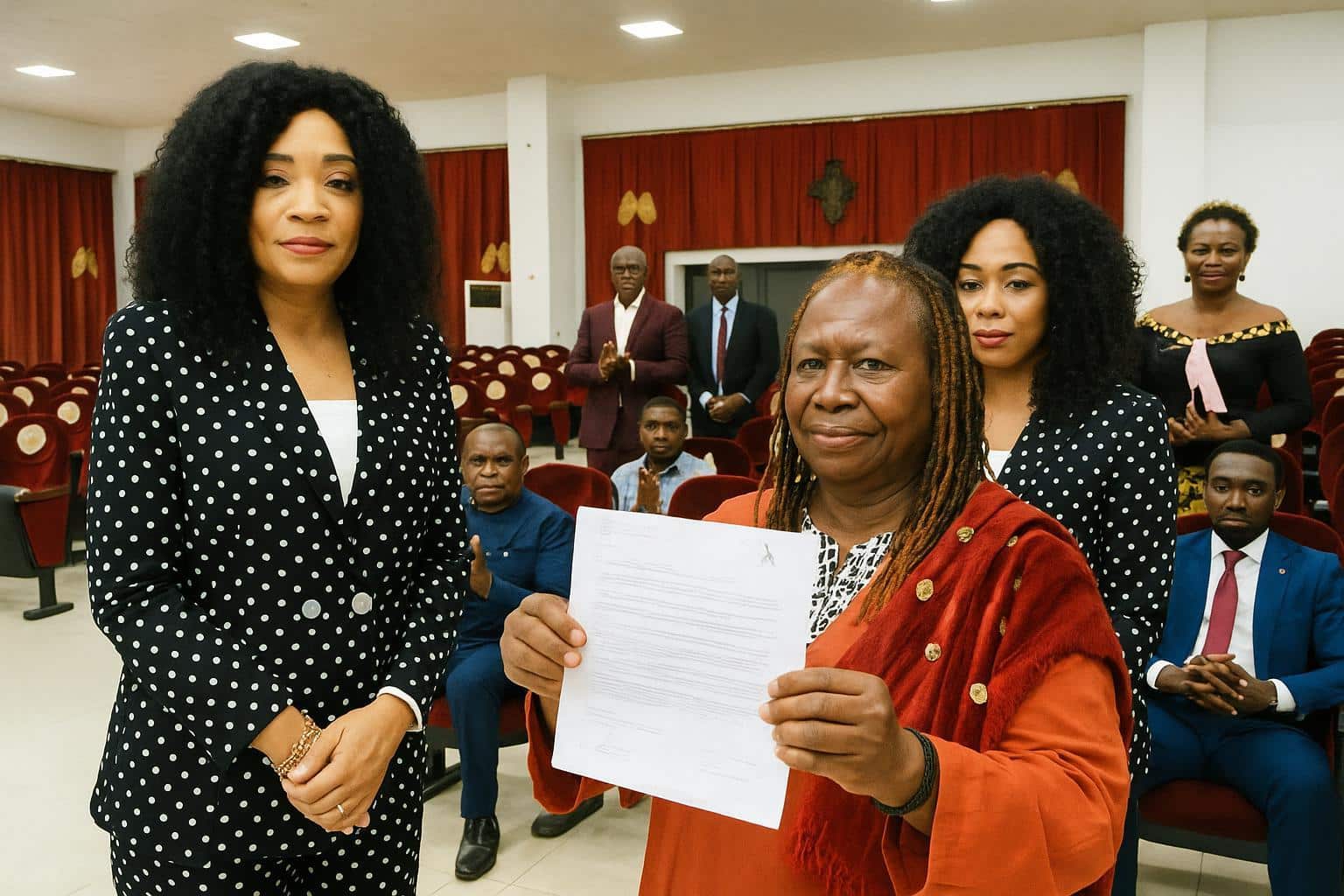
The marble auditorium inside the Pierre-Savorgnan-de-Brazza Memorial filled quickly as scholars, traditional rulers and diplomats gathered for the international colloque “On the Road of History”, held to mark 145 years since the Brazza-Makoko Treaty quietly reshaped Central African geopolitics.
Across four intensive days last week, panels dissected archival records, oral traditions and archaeological clues to interrogate Africa’s contribution to world history while celebrating the treaty’s role in the birth of Brazzaville, today a regional hub for culture, finance and quiet diplomacy.
The treaty, signed on 3rd September 1880 between explorer Pierre Savorgnan de Brazza and King Makoko of the Téké, laid the diplomatic cornerstone for what became the French Congo; the anniversary therefore offered an opportunity to interrogate colonial records from an African vantage point.
Revisiting precolonial statecraft
The opening session honoured oral historians such as Frédéric Yavanguièle and chiefs representing Abomey, Téké, Gabonese and Congolese lineages, whose evocative storytelling framed precolonial chieftaincies as sophisticated polities that balanced spiritual authority, trade and military alliances well before European contact.
Academic presentations followed, mapping kinship-based governance models onto contemporary state structures and arguing that the resilience of many royal courts stems from their ability to mediate conflicts locally, collect tribute and preserve ecological knowledge in an age when nation-states seek grassroots legitimacy.
Debating power, belief and identity
Five curated sub-themes let anthropologists, theologians and curators test fresh data against long-held assumptions about religion, gender and material culture, highlighting how political-spiritual figures such as the Nganga priest or Abomey’s Vodun dignitary continue to shape civic life from Pointe-Noire to Kinshasa.
Researchers traced the symbolic grammar embedded in raphia weaving, iron smelting and initiation masks, insisting that these artefacts are not static museum pieces but living repositories of technological prowess and collective memory needing policy support to survive globalised consumer tastes.
Seven forward-looking recommendations
After animated corridor discussions, delegates approved a compact roadmap headlined by the creation of national and cross-border Centres for the Promotion of African Traditions and Cultures, conceived as open laboratories where scholars, artisans and schoolchildren could document, teach and innovate together.
Complementary proposals included inter-state heritage protection pacts, digital platforms to stream ritual music, seed grants for scientific research on royal historiographies and classroom modules encouraging intergenerational dialogue—an agenda that participants said aligns with the Congolese government’s cultural industries strategy.
Artisans from Ouesso to Dolisie welcomed the emphasis on vocational training, noting that formal recognition of raphia weaving or bronze casting could open new export niches under the African Continental Free Trade Area while keeping village youth employed near ancestral homesteads.
Delegates also floated the idea of a roaming festival, moving annually between royal capitals from Kouilou to Kassai, where dance troupes, storytellers and tech developers could showcase hybrid performances, blending holographic archives with live percussion to attract younger audiences and international sponsors.
Diplomatic nods and ancestral voices
Senegal’s ambassador, Ousmane Diop, praised the forum for “revisiting history not to rewrite it but to reinforce tomorrow”, invoking Malamine Camara, the Senegalese rifleman who guarded early Brazzaville with unwavering loyalty, as proof of the sub-region’s intertwined destinies.
Janiqwa Qwamary Nganga, an Afro-descendant from Georgia, took the podium with a drum in hand, telling attendees she spoke “for the ancestors with the blessing of the Most High”, a moment that bridged Atlantic diasporas and Central African lineages under a single roof.
Several chiefs used the gathering to exchange gifts—beads, kola nuts, miniature stools—symbolic tokens that organisers said underscored a philosophy of reciprocity at the heart of traditional diplomacy long before foreign ministries existed.
Next steps for research and outreach
Belinda Ayessa, director of the Pierre-Savorgnan-de-Brazza Memorial, closed proceedings by lauding the symposium’s interdisciplinary spirit and announcing that peer-reviewed acts would be published later this year, giving academics and policymakers a vetted reference on which to base future reforms.
She later told reporters the memorial expects to pilot the first Culture Promotion Centre in Brazzaville, serving as a prototype that could be replicated in regional capitals once funding and governance models are finalised with the Ministry of Cultural, Artistic, Touristic and Leisure Industries.
Observers note that President Denis Sassou Nguesso has repeatedly framed heritage as a pillar of national cohesion; the motion of gratitude delivered by delegates therefore resonated as both acknowledgment of existing policy and encouragement to deepen investment in community-led conservation initiatives.
Financing remains a hurdle, but several regional development banks have signalled interest in creative-economy projects that bundle cultural preservation with tourism, suggesting the forthcoming centres could eventually generate revenue streams while safeguarding rites, dialects and craftsmanship threatened by urban migration.
For now, the echoes of drumbeats, archival slides and animated debates linger in the auditorium where Brazza and Makoko’s descendants symbolically shook hands—a reminder that understanding the past is not nostalgia but an active blueprint for a resilient, self-confident African future.
