
National momentum around health governance
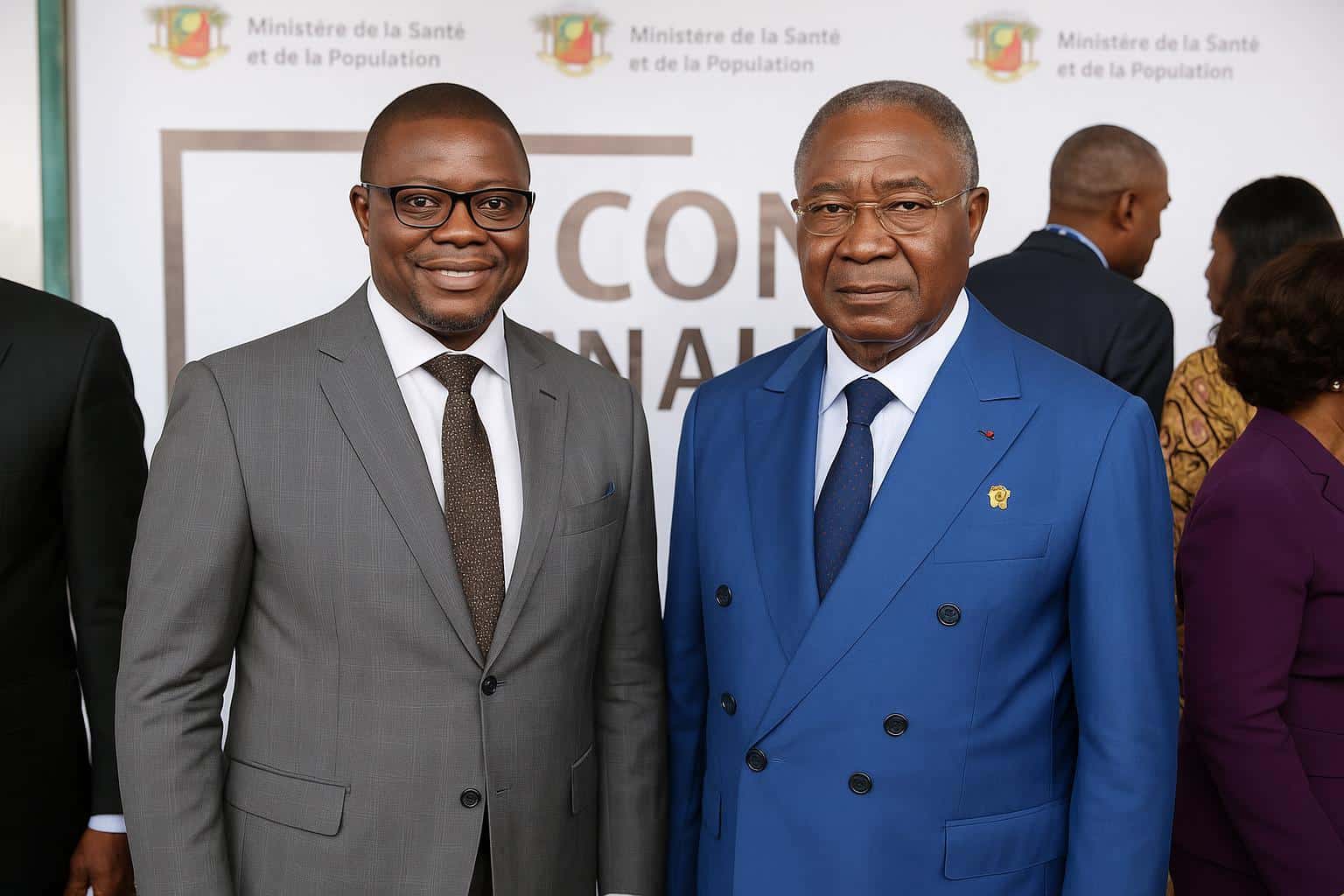
When Prime Minister Anatole Collinet Makosso opened the second ordinary session of the National Health Council in Kintélé, the symbolism was unmistakable. Forty-one years after the body’s creation, top officials, financiers and international partners assembled to measure progress and recalibrate ambitions toward Sustainable Development Goal 3.
Political commitment underlined
Echoing President Denis Sassou Nguesso’s recurrent emphasis on human capital, the premier called health “the first of our battles.” Observers noted the statement as a deliberate link between economic diversification, social cohesion and robust medical services, reinforcing government pledges voiced during earlier cabinet briefings and parliamentary debates.
Infrastructure gains since 2021
Health Minister Jean-Rosaire Ibara highlighted completed general hospitals in Brazzaville and Pointe-Noire and forthcoming facilities in Ouesso and Sibiti. Independent surveys by the National Institute of Statistics show outpatient visits in urban hubs have already risen twelve percent since the Brazzaville complex opened in late 2022.
Kintélé’s expert working sessions
Behind the plenary, nine thematic groups dissected legal, financial and workforce challenges. Participants—from World Health Organization advisers to departmental prefects—scrutinised draft clauses intended to modernise the 1984 decree governing the council, aiming to clarify mandates, strengthen accountability and align procedures with contemporary pandemic-preparedness standards.
Financing the next decade
Fiscal specialists argued that diversifying revenue streams is indispensable. Proposals included expanding sin taxes on sugary drinks, scaling digital payment levies and formalising diaspora bonds. The Ministry of Finance quoted modelling suggesting that a two-percentage-point hike in earmarked excise taxes could yield an additional 19 billion CFA francs annually (Ministry of Finance scenario paper, 2025).
Decentralisation debates
Much discussion centred on delegating health-facility management to local authorities. Prefects from Likouala and Kouilou cited pilot projects where community committees have reduced drug stock-outs by half. Yet they acknowledged lingering gaps in accounting skills, prompting calls for an accelerated training programme for territorial civil servants.
Human resources and technology
Experts emphasised equitable distribution of personnel. Government data reveal that 62 percent of doctors remain in the two largest cities. The council recommended incentive packages combining rural housing, continuous e-learning and faster promotion tracks, alongside telemedicine platforms supported by the African Development Bank’s regional fibre-optic initiative (AfDB progress note, 2024).
Modern equipment priorities
Biomedical engineers showcased audits indicating that a third of provincial laboratory devices are over ten years old. Procurement officers therefore urged pooled purchasing agreements to standardise equipment and reduce costs by up to 28 percent, mirroring strategies employed in East African Community states (WHO procurement review, 2023).
Community engagement imperatives
Civil-society representatives requested a clearer legal framework for community health workers. Field studies by the School of Public Health in Brazzaville link their involvement to improved antenatal-care attendance in remote districts. The pending decree promises stipends, supervision protocols and integration into the national surveillance information system.
International partnerships reaffirmed
WHO Resident Representative Dr Vincent Dossou Sodjinou praised “renewed national ownership.” UNICEF and the Global Fund signalled interest in co-financing cold-chain reinforcement and malaria commodity pipelines, respectively. Delegates stressed that external aid should remain catalytic, with domestic resources covering at least 70 percent of recurrent expenditure by 2028.
Adoption of nine recommendation clusters
On the final day, the council unanimously validated resolutions that codify decentralisation steps, endorse innovative financing, mandate annual health-account reporting and call for nationwide biomedical-equipment mapping. The minister formally recorded these commitments, triggering follow-up mechanisms through an interministerial committee reporting directly to the prime minister’s office.
Diplomatic resonance in Central Africa
Regional observers from Gabon and Cameroon discreetly attended, viewing Congo’s approach as a possible template for harmonised cross-border epidemic response. An Economic Community of Central African States communiqué later commended the session, hinting at coordinated vaccine-procurement schemes to achieve economies of scale and faster emergency deployment.
Economic implications
Economists at the University of Marien Ngouabi contend that every CFA franc invested in primary health produces a four-franc productivity return within ten years. By reinforcing frontline services, authorities expect to lower preventable absenteeism in mining, agriculture and logistics sectors, thereby bolstering the national diversification agenda (University policy brief, 2025).
Transparency and monitoring tools
Digital-governance advocates promoted real-time dashboards tracking budget execution and service quality. The Ministry of Posts, Telecommunications and Digital Economy confirmed that pilot dashboards will integrate with the national e-governance platform launched last year, utilising open-source code to ensure interoperability and cost control.
Challenges acknowledged
Delegates remained candid about fiscal space constraints, global supply-chain volatility and climate-related disease patterns. Nevertheless, the prevailing mood leaned toward pragmatic optimism, anchored in what one WHO official called “evidence-based patriotism”—a readiness to confront obstacles through data, dialogue and sustained political will.
Road ahead to 2030
Implementation begins immediately: the prime minister’s office is expected to circulate the revised decree for cabinet approval within the quarter, while the health ministry prepares a medium-term expenditure framework aligning with the 2026 budget cycle. Parliamentary committees have already scheduled oversight hearings for early 2026.
A cautiously hopeful outlook
The Kintélé session did not promise miracles, but it furnished a coherent agenda linking law, finance and community participation. If timelines hold, Congo-Brazzaville could edge significantly closer to universal health coverage by 2030, offering a regional illustration of how steady, consensus-driven reform can translate aspiration into measurable outcomes.
